Traditional Podiatric Services
"Perfected by Podiatrists"
Ingrown Toenail
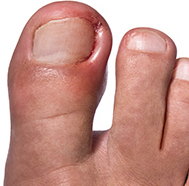
Adler Podiatry Clinic specializes in treating younger patients with ingrown toenails. If untreated the ingrown toenail can cause a serious infection.
Our goal is minimize the patient's anxiety while effectively treating the problem. It's not uncommon for parents, after seeing how well their child tolerates the procedure, schedule an appointment to have their ingrown toenail treated.
The following video demonstrates the technique for permanent treatment of an Ingrown Toenail. The procedure is painless and very effective.
Improved Treatment for Nail Fungus
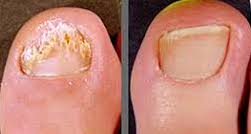
Toenail fungus can be difficult to treat. New topical medications are able to penetrate the nail plate, reaching the nail bed where the fungus resides. The medication has to inhibit the fungus without harming the fragile nail bed cells. These newer medications have increased the effectiveness in treating toenail fungus.
Podiatry + Chiropractic Care
* Holistic Wellness: Collaborative care between podiatrists and chiropractors addresses foot, ankle, spine, and related musculoskeletal issues, promoting overall body wellness.
* Alignment: Combining podiatric and chiropractic expertise ensures proper alignment from the feet to the spine, enhancing balance and reducing strain on the body.
* Comprehensive Treatment: Patients receive a more comprehensive treatment plan that considers how foot and ankle conditions can impact spinal health and vice versa.
* Improved Mobility: By addressing issues in both the feet and spine, patients experience enhanced mobility and functionality throughout the body.
* Customized Care: Coordination between podiatrists and chiropractors allows for tailored treatment plans that target specific concerns while considering their interconnected effects on the body.
* Preventative Measures: Working in tandem, they can identify potential issues earlier and implement preventive measures to avoid future complications or injuries.
Medical Nail Care Services
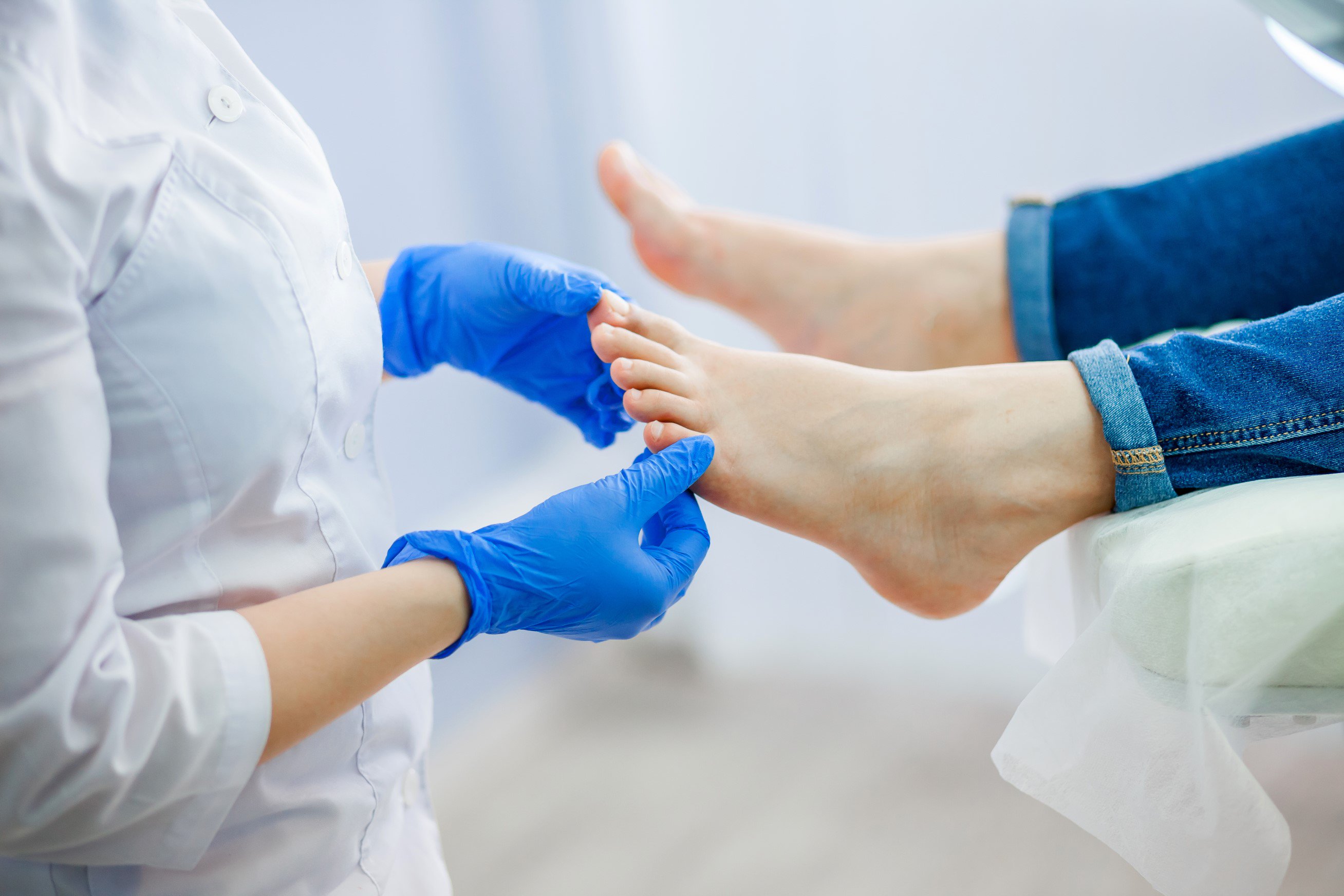
Relax and enjoy the personal attention with our Medical Nail Care Services. Avoid exposure to potential toenail fungus from nail salons.
Basic Nail Care if you have difficulty safely reaching your toenails, this streamlined service is ideal! Maintain proper foot health in a tranquil, controlled environment. Services include: "Toenails trimmed, rough edges smoothed, skin moisturizer applied" • Cost: $30
Advanced Nail Care for individuals with thicker, discolored toenails that requires extra care. Services include: "Toenails trimmed, toenail thickness reduced, skin moisturizer applied" • Cost: $45+
Nail Care+ for individuals seeking a relaxing experience. Services include:
• Gentle cleaning of the toenails
• Comprehensive nail trimming and shaping
• Light callus care and heel buffing to smooth rough skin
• Application of skin moisturizer and relaxing foot massage
• Application of cuticle oil
• Cost: $65
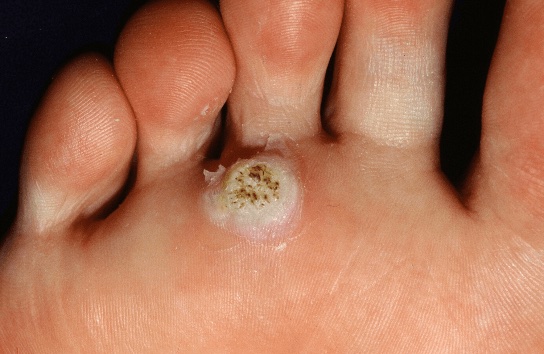
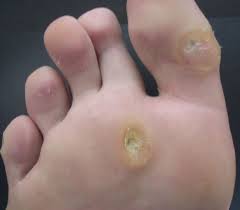
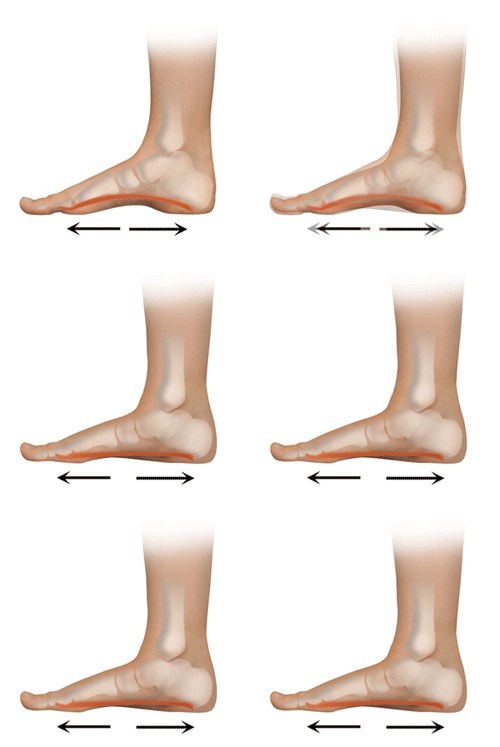
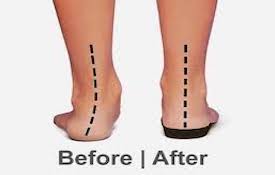
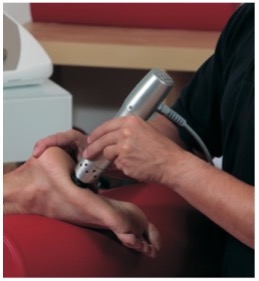
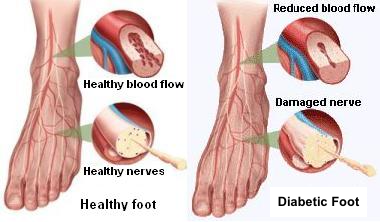
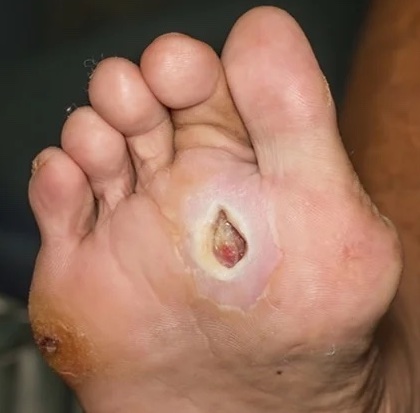
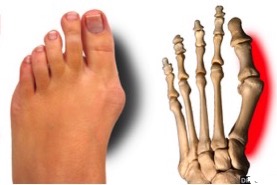
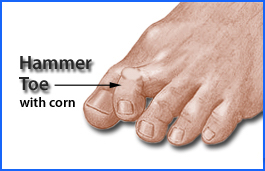
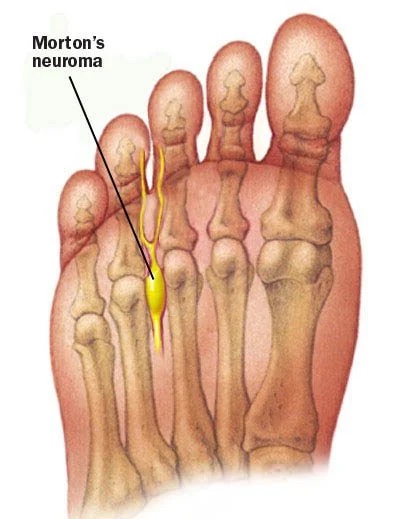
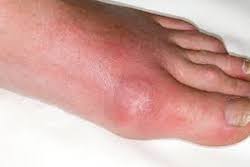
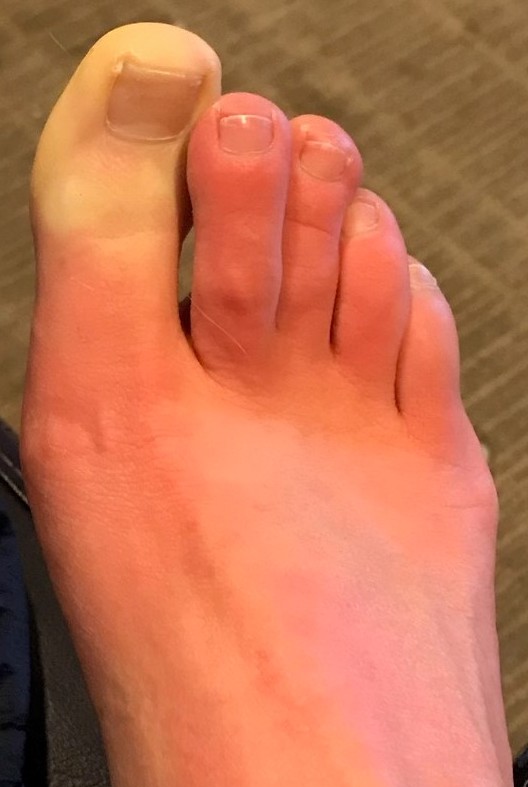
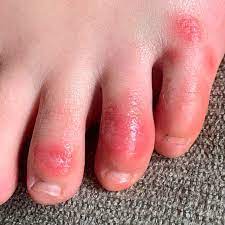
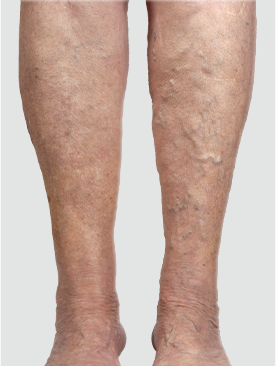
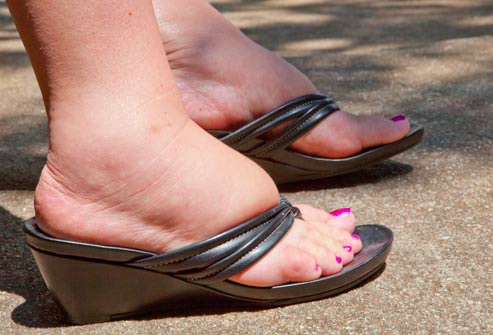
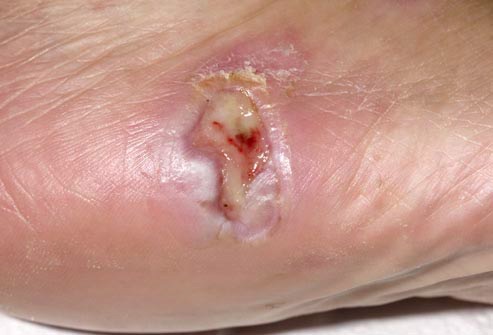
Warts - Verruca Plantaris A warts or verruca plantaris is caused by a virus which grows in the upper layer of the skin. They are more common in children than adults. Like all viruses they can be contagious. On the bottom of the foot plantar warts are painful with pressure. The classic appearance of a plantar wart is pinpoint capillary hemorrhages, black dots which bleed when shaved. Treatment can include application of chemicals, freezing, surgery and medications to stimulate the body's immune system. Painful Callouses A painful callous beneath the heel or metatarsal can be caused by loss of the normal fat pad. Injecting LenevaTM an all-natural Allograft Adipose Matrix into the fat defect helps replace the natural padding. Restoring the fat pad stops the pain caused by pressure applied to the heel or metatarsal. Heel Pain - Plantar Fasciitis The following video describes some of the causes and treatments for Heel Pain - Plantar Fasciitis. The problem affects almost 15% of the population. “Spurs” are not the only cause of heel pain. Plantar Fasciitis, Posterior Tibial Dysfunction, Achilles Tendinopathy, Bursitis, Nerve Entrapments and Stress Fractures require professional treatment. Treatment of Heel Pain includes supporting the arch to relieve stress on the heel, Custom Orthotics, Radial Shockwave Therapy, cortisone. Surgery is rarely necessary. Custom Orthotics Relieve Foot Pain The American Podiatric Medical Association estimates 77% of adults suffer from some type of foot pain. Custom Orthotics prevent uncontrolled pronation which can cause foot, leg, knee, hip and back pain. Custom orthotics are made from range of motion measurements, gait analysis and cast impressions of your feet. Store-bought, "off the shelf" inserts may be expensive, but are not Custom Orthotics. Radial Shockwave Therapy Radial Shockwave Therapy is an effective, non-surgical treatment for Plantar Fasciitis and Achilles Tendonitis. It breaks down scar tissue without anesthesia or injections and can be an alternative to physical therapy or surgery. Patients often experience improvement after 2 to 3 sessions. Preventing Diabetic Foot Problems If you or a member of your family have Diabetes, read Diabetes and Your Feet. The American Diabetes Association suggests that all diabetics and individuals with "poor" circulation (PAD) check their feet daily. Cracks in the skin, foot infections or foot and ankle injuries should be professionally evaluated. Prevent serious foot problems by remaining healthy and active. Have a foot examination at least once a year. Diabetic Ulcers Diabetic foot ulcers are open sores or wounds commonly located on the bottom of the foot. Ulcers can result from a loss of feeling (numbness) and/or decreased circulation in the foot. Feeling pain helps protect the skin from injury. Diabetics with loss of feeling often develop blisters from shoe pressure or notice blood on a sock because of a roofing nail in their shoe. All diabetics should inspect their feet daily for signs of irritation. The skin is a natural protective barrier against infection. Once open it can allow bacteria into the body resulting in an infection. The infection can destroy tissue such as tendon and muscle and eventually invade bone. Diabetic foot ulcers are often much deeper than they appear on the surface. They are serious problems and require profesional care. In the absnce of systemic symptoms such as high fever or severe infection, most diabetic ulcers can be evaluated and treated in an office setting. Regardless of how the diabetic ulcer is treated, there are four basic requirements for healing: pressure against the ulcer must be removed, infection must be identified and treated, adequate blood supply and time. Developing Bunions Hallux Valgus or Bunion Deformity occurs when the big toe dislocates or moves toward the second toe. The bone behind the great toe bulges out and shoe pressure against the enlarged bone can cause pain. Custom Orthotics can help prevent bunions. When pain occurs with all shoes, surgery to remove the enlarged bone and straighten the great toe is often required to treat the bunion deformity. Hammertoes Many foot deformities i.e. Hammertoes and Claw toes are aggravated by shoes, exercise and weight gain. The shoe rubs the top of the Hammertoe causing irritation and pain. Claw toes develop irritation at the end of the toe. If you or a member of your family are prone to foot problems, contact us today for a complete foot evaluation. Sprains, Strains and Fractures Strains represent a stretching of ligaments or tendons. Sprains involve a partial or total tear of a ligament. Sprains commonly occur during physical activity, but can occur going down stairs or curbs. Ligaments on the outside of the ankle are most commonly involved. Treatment of a sprain often involves immobilization. Ignoring a sprain can result in chronic joint instability. Fractures are a break in bone usually diagnosed with x-ray or magnetic resonance imaging (MRI). The fracture site usually requires immobilization in a cast for approximately 6 weeks. Athletes including Football and basketball players are particularly vulnerable to foot and ankle sprains and fractures. Runners, dancers and gymasts often develop stress fractures of the ankle or foot. Stress fractures should be treated with immobilization to heal. Balance Exercises to Prevent Injury Loss of balance is a leading cause of falls and death for individuals over 60 years old. The good news is practicing Balance Exercises can help prevent falls and potentially serious injuries. If you feel unstable, when walking, consider using a cane in the hand on your weakest side. Wear slight weight shoe i.e. a jogging shoe with a firm sole and stiff heel counter. Shoes with removable insoles typically are better quality. If you feel unstable or have a history of falling, you should be seen and evaluated professionally. Morton's Neuroma Morton's neuroma is a thickening of the digital nerve in the ball of the foot. The nerve is irritated by the bones (metatarsals) behind the toes. Tight shoes pinch the nerve causing pain. Removing the shoe and massaging the foot helps relieve the pain. As the nerve enlarges the frequency and severity of pain increase. Gout Gout is an arthritis that often affects the big toe joint. Severe pain, swelling and redness occurs without history of injury. Short term the pain can be relieved with cortisone. Call us if you are experiencing symptoms of gout. Shoe Selection Whether starting a walking or running program, it's important to Choose the Right Shoe. Shoes are “correct - not corrective." Selecting the correct shoe depends on the activity, your foot type, and most importantly, how your foot works.Shoes should provide proper support for the intended exercise and be in good condition. Use running shoes for cardio and cross trainers for strength training. The shoe should have a removable liner. Make sure they fit your feet - but aren't too tight! Let us help you select the correct shoe for your foot and activity. Poor Circulation Cold toes can be a sign of poor blood flow associated with diabetes, Raynaud’s Phenomenon, high blood pressure, or heart disease. All of these problems are aggrevated by Smoking. Other causes include the nerve damage of uncontrolled diabetes, hypothyroidism and anemia. Raynaud's Phenomenon can cause toes to turn white, then bluish, and then red before returning to their natural color. The cause is a sudden narrowing of the arteries, called vasospasm. Stress or changes in temperature can trigger a vasospasm. Raynaud’s can occur with rheumatoid arthritis, Sjögren’s disease, or thyroid problems. COVID Toes can resemble frostbite with the toes appearing mildly swollen and purplish-blue in color. The skin may be warm to touch with some patients experiencing a burning sensation. The cause is not fully understood. Arterial Sonogram An Arterial Sonogram is an in-office, non-invasive, painless exam indicated for Diabetics over age 60 and patients with known peripheral arterial disease (PAD). The test can identify narrowing, calcification (plaque) and possible occlusions (clots) in arteries of the legs. Varicose Veins A Venous Sonogram is an in-office, non-invasive, painless exam indicated for patients with symptomatic varicose veins, Chronic Venous Insufficiency. Varicose veins can cause swelling, redness, pain and clots (phlebitis). Swelling in Your Feet Often caused by standing or sitting too long or more commonly Varicose Veins. Feet that stay swollen can be a sign of a serious medical condition i.e. poor circulation, a blood clot, kidney disorder or underactive thyroid. Sores That Don't Heal Foot sores that will not heal are a major warning sign for diabetes. Diabetes can cause loss of feeling in the feet and decrease in circulation. Cuts in the skin or blisters may not heal normally. Sores can become infected and lead to amputation. Diabetics should wash and dry their feet and check them for wounds every day. Diabetics should see a podiatrist at the first sign of a sore developing. All diabetics should routinely be seen by a podiatrist.
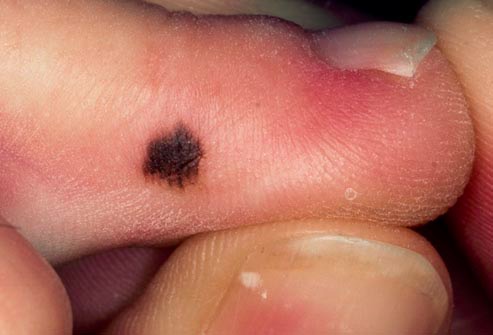
Signs of Melanoma The American Cancer Society estimates that more than 120,000 new cases of Melanoma are diagnosed each year. Anyone who has more than 100 moles is at greater risk for melanoma.
Learn the ABCDs of Melanoma. If you notice a mole, bump, or patch on the skin on your foot or leg that meets any of the following criteria, make an appointment.
Dark Spots on the Foot American Cancer Society estimates that more than 120,000 new cases of Melanoma are diagnosed each year. Anyone who has more than 100 moles is at greater risk for melanoma.
Podiatry + Chiropractic Care * Holistic Wellness: Collaborative care between podiatrists and chiropractors addresses foot, ankle, spine, and related musculoskeletal issues, promoting overall body wellness. * Alignment: Combining podiatric and chiropractic expertise ensures proper alignment from the feet to the spine, enhancing balance and reducing strain on the body. * Comprehensive Treatment: Patients receive a more comprehensive treatment plan that considers how foot and ankle conditions can impact spinal health and vice versa. * Improved Mobility: By addressing issues in both the feet and spine, patients experience enhanced mobility and functionality throughout the body. * Customized Care: Coordination between podiatrists and chiropractors allows for tailored treatment plans that target specific concerns while considering their interconnected effects on the body. * Preventative Measures: Working in tandem, they can identify potential issues earlier and implement preventive measures to avoid future complications or injuries. © 2012 - 2024